
A small air leak can lead to failed DOT inspections, reduced brake performance, and costly downtime before you realize there's a problem. Learn why even minor leaks matter, the warning signs to watch for, and how preventive maintenance keeps your truck safe and compliant.
.webp)
A small air leak can lead to major DOT and downtime problems because it reduces air pressure, weakens brake performance, and increases the risk of inspection failures. Repairing leaks early helps maintain safe braking, avoid costly delays, and keep your truck operating reliably and in compliance.
For commercial drivers and fleet operators, ignoring an air leak increases repair costs and can lead to failed inspections, out-of-service orders, and expensive downtime.
Why Is Your Air System So Important?
Your compressed air system is responsible for supplying the air needed to operate your truck's braking system safely. Unlike passenger vehicles that rely on hydraulic brakes, heavy-duty trucks use compressed air stored in air tanks and delivered through air lines to activate the brakes.
Major Air System components include:
- Air compressor
- Air dryer
- Compressed air tanks
- Air lines
- Service chambers
- Brake drums and brake shoes
Each component depends on maintaining proper air pressure. If air escapes through a leak, the entire braking system becomes less effective.
What Causes Air Leaks?
Air leaks can develop almost anywhere within the braking system, especially as trucks accumulate mileage.
Common causes include:
Worn Air Lines: Rubber air hoses flex constantly during daily operation. Over time, vibration, road debris, heat, and age can cause cracks or abrasions that allow compressed air to escape.
Loose Fittings: Air line fittings naturally loosen over time due to vibration. Even a slightly loose connection can create a slow but steady air leak.
Damaged Service Chambers: Brake service chambers use diaphragms to convert compressed air into braking force. If a diaphragm becomes worn or damaged, air pressure may leak before fully activating the brakes.
Faulty Valves: Control valves and relay valves contain seals that eventually wear out. As seals deteriorate, small leaks may develop that become progressively worse.
Why Small Air Leaks Become Big Problems
A tiny leak rarely stays tiny.
As compressed air escapes, your air compressor must work harder to maintain proper pressure. Increased compressor cycling accelerates wear on the compressor while placing additional stress on the entire air system.
Over time, this leads to:
- Reduced braking efficiency
- Slower air pressure recovery
- Increased component wear
- Higher fuel consumption
- Greater likelihood of roadside failures
What begins as a simple fitting replacement can eventually require major air system repairs if ignored.
How Air Leaks Affect DOT Compliance
During a DOT inspection, inspectors evaluate whether the air brake system maintains pressure within acceptable limits. Excessive air loss can result in inspection failures or even place the vehicle out of service until repairs are completed.
A truck with an unsafe braking system presents serious risks to both the driver and everyone else on the road.
Keeping your air brake system properly maintained helps reduce the risk of:
- DOT violations
- Out-of-service orders
- Costly roadside inspections
- Delivery delays
- Lost revenue
Warning Signs You Should Never Ignore
Recognizing air leak symptoms early can prevent much larger repairs.
Hissing Sounds: The most obvious sign is a continuous hissing noise after the truck builds air pressure. Even if braking performance feels normal, the system may still be losing air.
Slow Air Pressure Build-Up: If your air pressure gauges take longer than usual to reach operating pressure, a leak could be preventing the system from building pressure efficiently.
Low Air Pressure Warnings: Dashboard warning lights or audible alarms should never be ignored. These alerts indicate your truck may not have sufficient air pressure for safe braking.
Air Compressor Running Constantly: Your compressor should cycle normally during operation. If it runs almost continuously, it's likely trying to compensate for escaping air somewhere within the system.
Reduced Brake Performance: Longer stopping distances, sluggish brake response, or inconsistent braking all warrant immediate inspection.
Why Preventive Maintenance Matters
Routine preventive maintenance is one of the most effective ways to detect air leaks before they become serious problems.
Regular inspections should include checking:
- Air lines
- Hose connections
- Service chambers
- Brake valves
- Air tanks
- Slack adjusters
- Air dryer performance
How Weather Can Make Air Leaks Worse
Temperature changes often make existing air leaks more noticeable.
Cold weather can stiffen rubber hoses and seals, allowing previously unnoticed leaks to grow larger. Moisture entering the air system may also create corrosion or freezing issues if the air dryer isn't functioning properly.
Meanwhile, hot Georgia summers can accelerate the aging of rubber components, increasing the likelihood of cracked hoses and deteriorated seals.
Seasonal inspections help catch these problems before they affect vehicle safety.
Why Downtime Costs More Than Repairs
Many fleet operators postpone small repairs to avoid taking trucks off the road.
Unfortunately, the opposite often happens.
A truck placed out of service because of an air brake issue may require:
- Emergency roadside repairs
- Towing
- Missed deliveries
- Driver delays
- Additional DOT inspections
- Lost customer confidence
Fixing a small leak during scheduled maintenance is almost always less expensive than dealing with an unexpected breakdown.
When Should You Schedule an Inspection?
Don't wait until your truck fails an inspection.
Schedule a professional air brake inspection if you notice:
- Hissing sounds
- Slow pressure buildup
- Low air pressure warnings
- Frequent compressor cycling
- Brake performance changes
- Visible air line damage
Prompt repairs help protect both your truck and your business.
Keep Small Air Leaks from Becoming Big Problems
A small air leak may seem insignificant today, but it can quickly compromise your braking system, create DOT compliance issues, and lead to costly downtime. Routine inspections and timely repairs keep your air system operating safely while reducing unexpected breakdowns and expensive repairs.
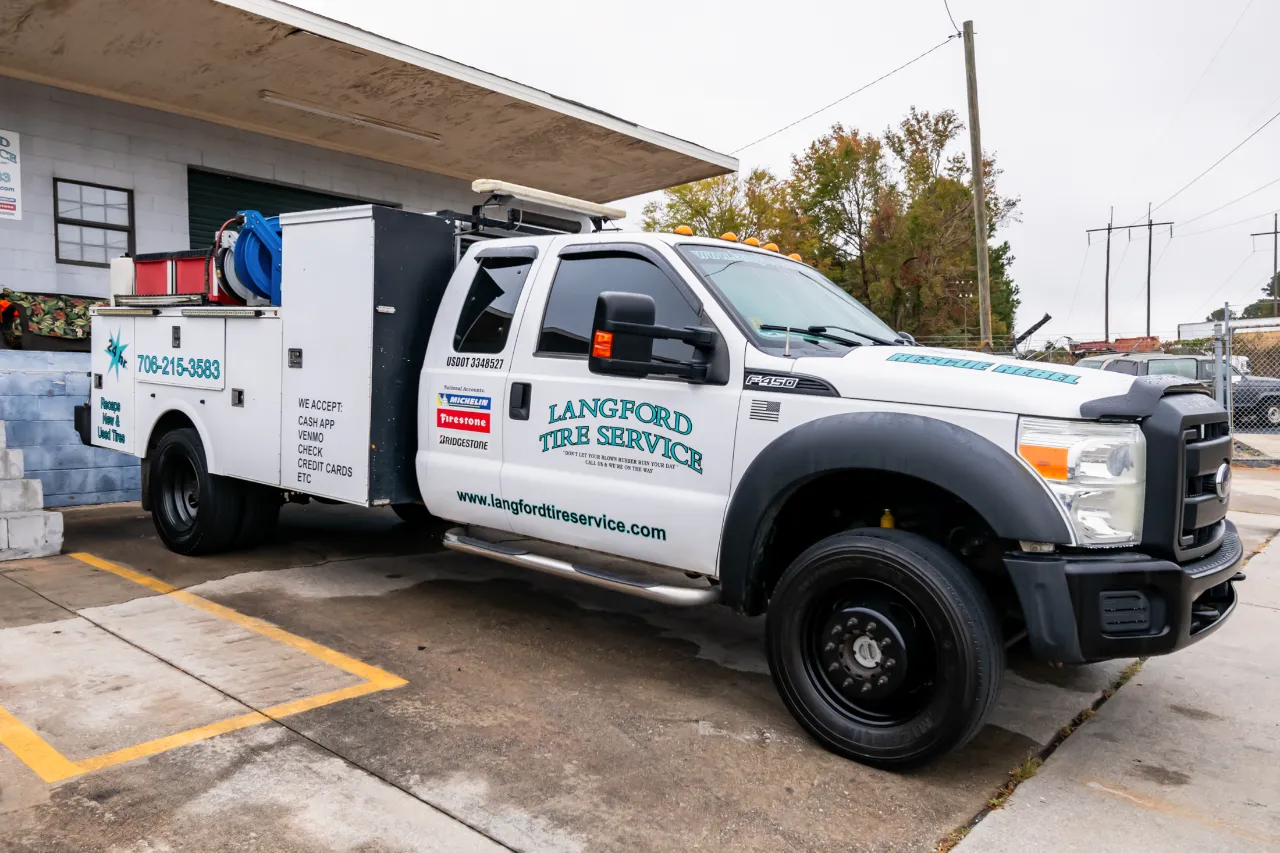
If you've noticed signs of an air leak or want to ensure your truck remains DOT-compliant, Langford Tire Service provides professional heavy-duty air brake inspections, diagnostics, and repairs to help keep your truck safely on the road. For more information about the industry, read our article on problematic tire issues.
News & Articles
Read About The Latest in Industry
Here, you'll find regular articles covering a wide range of topics related to diesel repair, maintenance, and troubleshooting.
.webp)
.webp)
.webp)
.jpg)


Don't Just Take Our Word For It.

Contact Langford Tire Service
Based out of Evans, Georgia, Langford Tire Service brings our mobile diesel repair and maintenance services to you throughout the Augusta Metropolitan Area.