
Discover how to prepare your truck for a DOT inspection with this step-by-step guide. Learn what inspectors check, avoid common violations, improve safety, and keep your commercial vehicle compliant and road-ready.
.jpg)
Understanding DOT Inspections
DOT (Department of Transportation) inspections are conducted to verify that commercial vehicles comply with federal safety regulations. Inspectors evaluate critical systems and components that affect vehicle safety, operational reliability, and regulatory compliance.
While there are several inspection levels, most roadside and facility inspections focus on key areas such as brakes, tires, lighting systems, suspension components, steering systems, driver documentation, and cargo securement. Preparation begins long before the inspector arrives.
Review Your Vehicle Documentation
Before examining the truck itself, ensure all required documentation is current and accessible.
Important documents include:
- Commercial driver's license (CDL)
- Medical examiner's certificate
- Vehicle registration
- Proof of insurance
- Hours-of-service records
- Annual inspection reports
- Maintenance records
Missing or expired paperwork can result in violations, even if the vehicle is mechanically sound. Organizing documents in a designated location makes them easy to present during an inspection.
Inspect Your Brake System
Brake-related violations remain one of the most common reasons commercial vehicles fail DOT inspections. Because braking performance directly affects safety, inspectors pay close attention to this system.
Begin by checking:
- Brake drums and rotors
- Brake linings and pads
- Air lines and fittings
- Air compressor operation
- Slack adjusters
- Air pressure build-up times
- Service and parking brake functionality
Listen for air leaks and verify that air pressure remains within manufacturer specifications. Any signs of excessive wear or damaged components should be addressed immediately. A thorough DOT brake inspection before an official inspection can prevent costly violations and out-of-service orders.
Evaluate Tire Condition
Tires are another major focus during DOT inspections. Poor tire condition increases the risk of blowouts, loss of control, and accidents.
Inspect all tires for:
- Proper tread depth
- Uneven wear patterns
- Sidewall damage
- Cuts or punctures
- Bulges or separations
- Correct inflation pressure
Federal regulations require minimum tread depth standards, and inspectors routinely measure tread wear. Replacing worn tires before an inspection is often less expensive than dealing with roadside penalties and downtime. Regular commercial truck tire maintenance also improves fuel efficiency and overall vehicle performance.
Check All Lighting and Electrical Systems
Lighting violations are among the easiest issues to prevent. Nevertheless, they remain one of the most frequently cited problems during inspections.
Verify that all lights function properly, including:
- Headlights
- High beams
- Brake lights
- Turn signals
- Clearance lights
- Marker lights
- Reverse lights
- License plate lights
Inspect wiring for damage and ensure all lenses are clean and securely mounted. A complete truck lighting inspection should be performed before every trip and especially before a scheduled DOT evaluation.
Examine Steering and Suspension Components
Steering and suspension systems contribute significantly to vehicle stability and handling. Any signs of excessive wear can raise concerns during an inspection.
Inspect:
- Tie rods
- Drag links
- Steering gear components
- Ball joints
- Leaf springs
- Air suspension components
- Shock absorbers
- Bushings
Look for loose hardware, cracked components, fluid leaks, or unusual movement. Addressing minor suspension issues early can prevent larger and more expensive repairs later. Properly functioning truck suspension components help maintain safe vehicle control under varying load conditions.
Inspect the Engine Compartment
A clean and well-maintained engine compartment demonstrates attention to vehicle maintenance and helps identify developing problems.
Check for:
- Oil leaks
- Coolant leaks
- Fuel leaks
- Loose belts
- Damaged hoses
- Low fluid levels
- Battery condition
- Electrical connections
Inspectors often notice fluid leaks immediately. Correcting these issues beforehand can eliminate avoidable violations. Routine preventive maintenance for trucks remains one of the most effective ways to prepare for DOT inspections year-round.
Verify Cargo Securement
Improperly secured cargo presents a serious safety hazard and can result in significant penalties.
Ensure that:
- Tie-downs are properly rated
- Straps and chains are free of damage
- Load distribution is balanced
- Cargo cannot shift during transport
- Securement devices meet applicable regulations
Inspectors frequently examine cargo securement practices, especially for flatbeds and specialized hauling operations. Conducting a cargo securement inspection before departure helps reduce risk and improve compliance.
Check Windshield and Visibility Equipment
Driver visibility directly impacts road safety and is another area inspectors routinely evaluate.
Inspect:
- Windshield condition
- Windshield wipers
- Washer fluid levels
- Mirrors
- Defrosters
Replace cracked windshields when necessary and ensure wiper blades provide clear visibility during adverse weather conditions. Maintaining proper visibility supports both safe operation and successful inspection outcomes.
Perform a Complete Pre-Trip Inspection
One of the most effective ways to prepare for a DOT inspection is by conducting a comprehensive pre-trip inspection checklist.
A thorough pre-trip inspection should include:
- Brake systems
- Tires and wheels
- Lighting systems
- Steering components
- Suspension components
- Fluid levels
- Cargo securement
- Safety equipment
Documenting inspections and correcting deficiencies promptly demonstrates a proactive approach to compliance and vehicle safety.
Drivers who consistently perform detailed pre-trip inspections are often better prepared when official inspections occur unexpectedly.
Address Deficiencies Before Inspection Day
Finding a problem is only valuable if corrective action follows. Once your inspection is complete, create a list of deficiencies and prioritize repairs immediately.
Common issues that should never be ignored include:
- Air leaks
- Tire damage
- Brake wear
- Lighting failures
- Fluid leaks
- Steering play
- Suspension damage
Addressing these concerns before an inspector discovers them helps avoid citations, downtime, and expensive roadside repairs.
DOT Inspections in Evans, GA
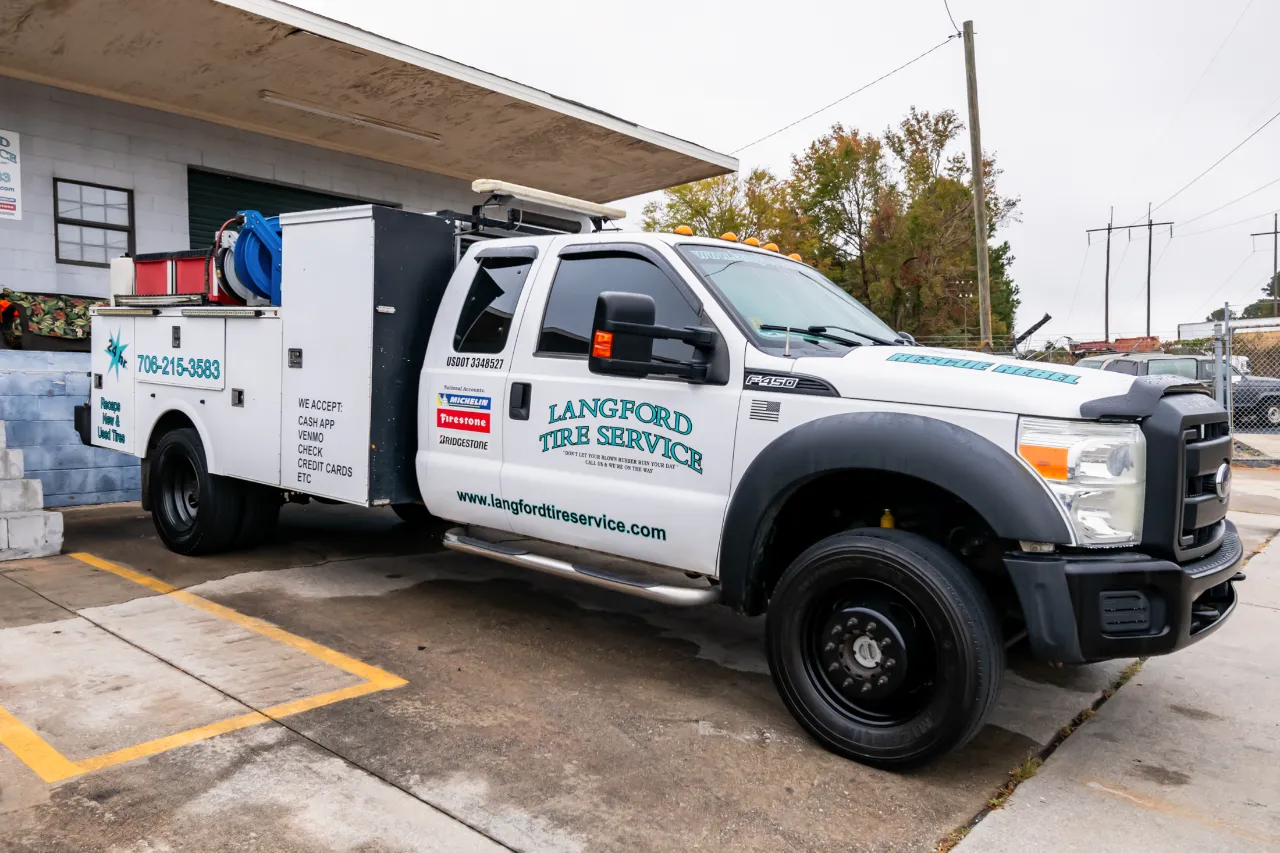
If your truck is due for an inspection or you want professional assistance identifying potential compliance issues, contact Langford Tire Service in Evans, GA. Their experienced team can help ensure your vehicle remains safe, reliable, and ready for the road.
News & Articles
Read About The Latest in Industry
Here, you'll find regular articles covering a wide range of topics related to diesel repair, maintenance, and troubleshooting.
.webp)
.webp)
.webp)
.webp)


Don't Just Take Our Word For It.

Contact Langford Tire Service
Based out of Evans, Georgia, Langford Tire Service brings our mobile diesel repair and maintenance services to you throughout the Augusta Metropolitan Area.